

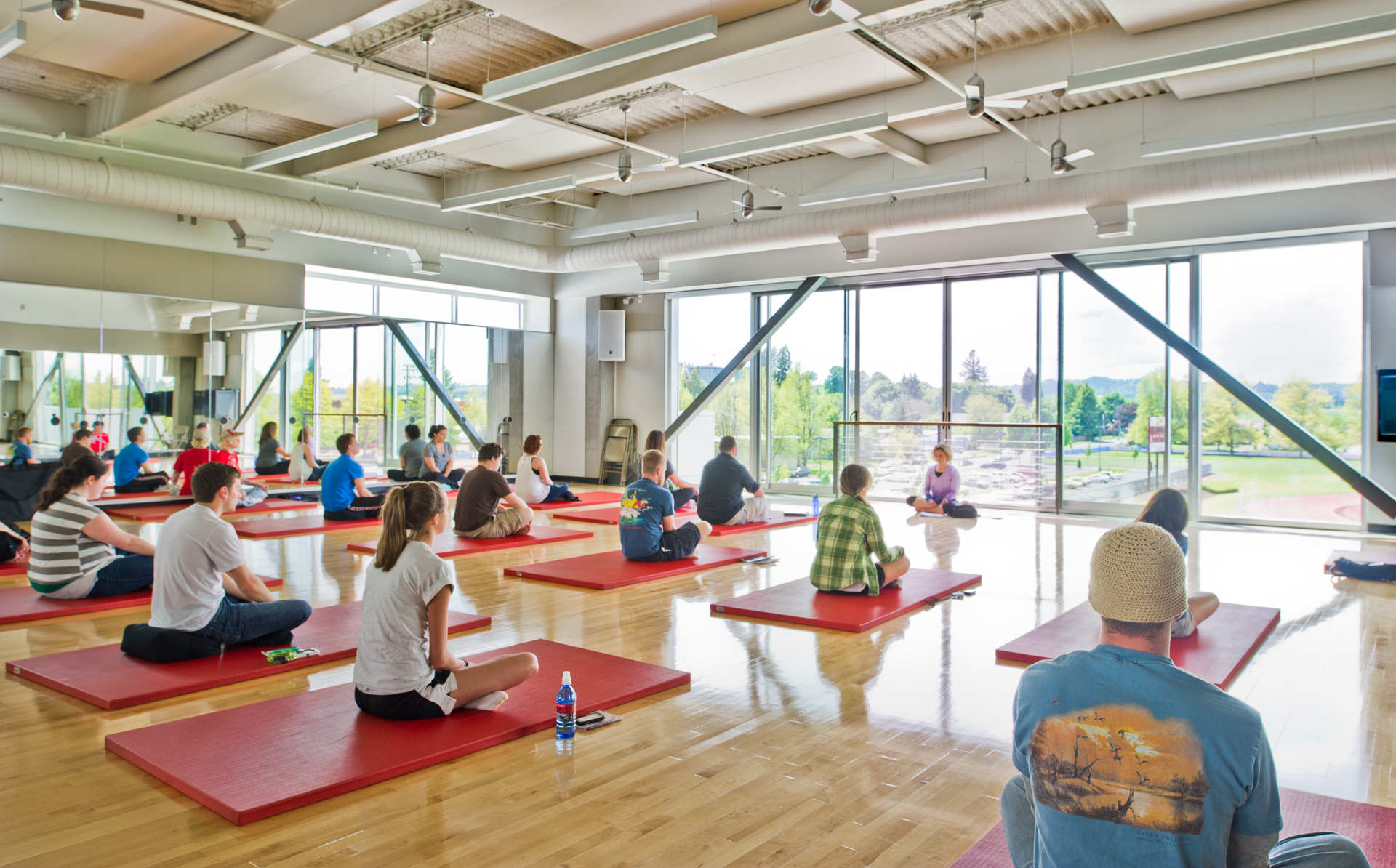
Stress affects mental clarity, emotional stability, and physical health through daily pressure from work, responsibilities, and lifestyle demands. Long-term exposure reduces energy levels and weakens focus, making routine tasks more difficult. A structured wellness approach supports balance and resilience across different areas of life. Guidance from a Wellness Center in New Hampshire can help individuals build sustainable habits that fit real-world routines. Consistent wellness actions improve emotional control, restore energy, and support healthier responses to daily challenges, creating a more stable foundation for long-term well-being and productivity.
The Impact of Stress on the Body and Mind
Stress influences the nervous system, hormones, and cognitive function in ways that directly affect daily performance. Short-term stress may improve alertness, yet ongoing stress creates fatigue, irritability, and reduced concentration. Physical symptoms often include headaches, muscle tightness, and disturbed sleep patterns. Emotional responses may include anxiety, frustration, or difficulty making decisions. Over time, untreated stress disrupts balance between mind and body. Recognizing these signs early supports better control and helps prevent long-term health challenges that reduce overall quality of life and emotional stability.
Mindful Breathing and Meditation for Calm Focus
Breathing exercises and mindfulness techniques support relaxation by calming the nervous system and reducing mental pressure. Slow, controlled breathing improves oxygen flow and helps stabilize heart rate during stressful moments. Meditation builds awareness of thoughts without allowing them to create emotional overload. Even short daily sessions help improve focus and emotional clarity. Regular practice reduces overthinking and supports better decision-making under pressure. Over time, these techniques strengthen mental resilience and encourage a calmer response to challenges, creating balance in both personal and professional situations.
Physical Activity as a Stress Management Tool
Regular movement plays a strong role in reducing stress levels and improving emotional balance. Exercise triggers the release of endorphins, which support positive mood and reduce tension. Activities such as walking, yoga, stretching, or light strength training help relax muscles and improve energy levels. Consistent movement also supports better sleep and improves concentration throughout the day. Physical activity does not require intense workouts; steady, moderate exercise provides lasting benefits. A simple routine that includes daily movement helps maintain both physical health and emotional stability over time.
Nutrition and Hydration for Mental Balance
Food choices influence mood stability, energy levels, and the body’s ability to manage stress. A balanced diet that includes fruits, vegetables, whole grains, and healthy fats supports steady energy and emotional control. Processed foods and excessive caffeine may increase irritability and worsen stress sensitivity. Hydration plays an equally important role in maintaining focus and preventing fatigue. Dehydration often affects mood and cognitive performance. Regular meals help stabilize blood sugar levels, reducing sudden emotional changes and supporting consistent mental clarity throughout the day.
Sleep Hygiene and Recovery for Emotional Strength
Sleep quality directly affects stress levels, emotional control, and decision-making ability. Poor sleep increases irritability and reduces mental performance, making daily challenges harder to manage. A consistent sleep schedule supports the body’s natural rhythm and improves recovery. Limiting screen exposure before bedtime helps the mind relax more effectively. A calm sleeping environment with reduced noise and comfortable lighting improves rest quality. Avoiding heavy meals late at night also supports deeper sleep. Proper rest strengthens emotional resilience and prepares the body for new challenges each day.
Social Connection and Emotional Support Systems
Strong social connections play an important role in managing stress and maintaining emotional balance. Conversations with trusted friends or family help release emotional tension and provide perspective during difficult situations. Supportive relationships reduce feelings of isolation and encourage positive communication. Emotional sharing often leads to clarity and reduced mental pressure. Even short interactions can improve mood and create a sense of connection. Building meaningful relationships supports long-term emotional health and helps individuals manage stress more effectively in both personal and professional life.
Structured Daily Routine for Stress Relief
A structured daily routine helps organize habits that reduce stress and improve focus throughout the day. Consistency in simple actions creates stability and prevents emotional overload.
Start the day with deep breathing or quiet reflection for mental clarity.
Include regular physical activity such as walking or stretching for energy balance.
Maintain consistent meal times to support steady mood and focus.
Take short breaks during work to reduce mental tension and improve productivity.
Reduce screen exposure during evening hours to support restful sleep.
Spend time in calm environments that support relaxation and mental reset.
End the day with journaling or reflection to release emotional pressure.
These actions create balance between activity and rest, supporting steady emotional health.
Long-Term Consistency for Sustainable Wellness
Long-term stress relief depends on consistent wellness habits rather than short-term efforts. Repeated daily practices train the mind and body to respond more calmly to pressure. Adjusting routines based on lifestyle changes helps maintain balance without creating additional stress. Flexibility ensures that wellness practices remain realistic and sustainable. Over time, these habits become part of natural behavior rather than forced actions. This steady approach strengthens emotional resilience, improves physical health, and supports clearer thinking in challenging situations.
Conclusion
Stress management becomes more effective when wellness practices are applied consistently across daily life. Balanced nutrition, regular movement, quality sleep, mindfulness, and strong social connections work together to support emotional stability. Structured routines help reduce mental overload and improve focus throughout the day. Over time, these practices build resilience and create a healthier response to pressure. A steady commitment to wellness supports long-term well-being and helps maintain clarity, energy, and emotional control in both personal and professional environments.
